


Dining Tables
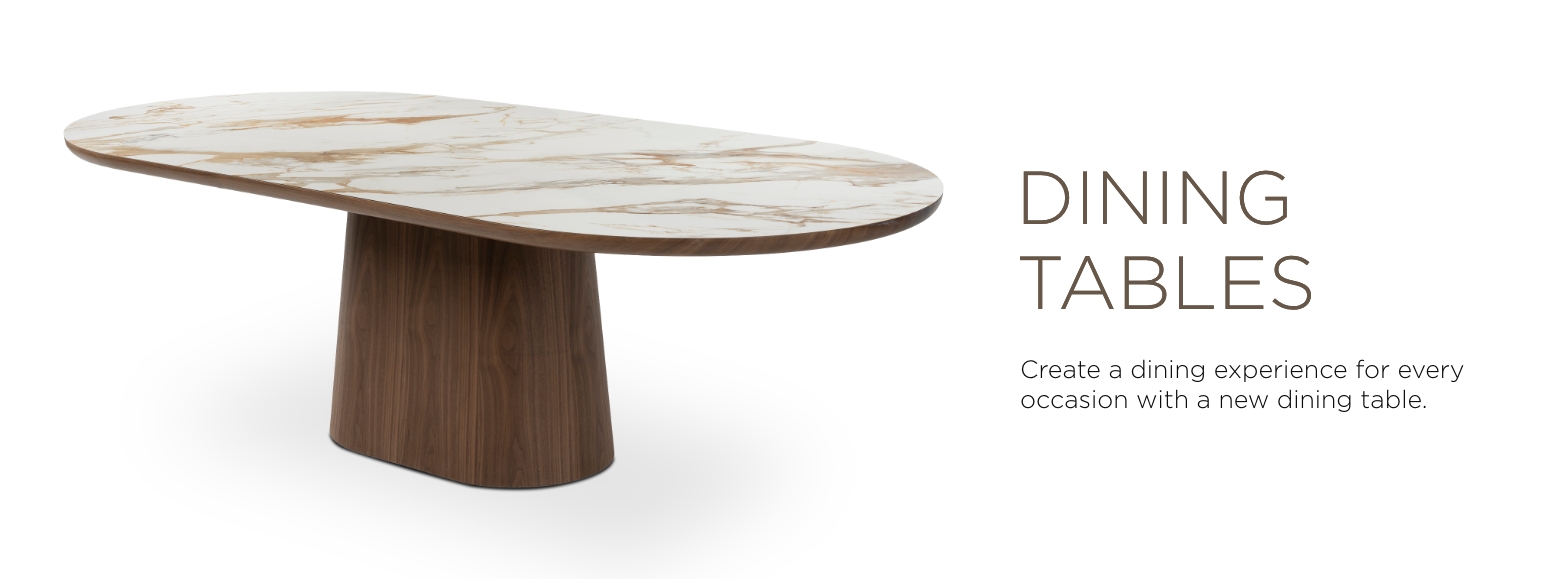

- First Look Pricing
- First Look Pricing
- First Look Pricing
- First Look Pricing
- First Look Pricing
- First Look Pricing
- First Look Pricing
- First Look Pricing
- First Look Pricing
- First Look Pricing
- First Look Pricing
Dining Tables
Choosing the right dining table can transform how your space looks and functions. Here are some common questions to help you find the best fit for your home.
How do I choose the right size dining table for my space?
Start by measuring your room. You’ll want to leave at least 36 inches of clearance on all sides so people can move around comfortably. For seating, plan for about 24 to 30 inches of table length per person to ensure everyone has enough space to dine comfortably.
What’s the best shape for my dining room?
The best shape depends on your layout and how you use the space. Rectangular tables are ideal for longer rooms and offer flexible seating. Round tables encourage conversation and fit nicely in square spaces. Square tables work well in compact areas or open-concept layouts, while oval tables combine the length of rectangular tables with softer, more fluid edges.
What’s the difference between standard and counter height tables?
Standard height tables, typically around 30 inches tall, are the most traditional option and pair easily with most dining chairs. Counter height tables, usually around 36 inches, create a more casual and elevated feel, making them a popular choice for open kitchens or multifunctional spaces.
How many people can a typical dining table seat?
Seating capacity depends on the table’s size and shape. A rectangular 72-inch table usually seats about six people, while a 96-inch version can seat around eight. A 48-inch round table typically seats four, and a 60-inch round table seats about six. It’s always a good idea to check product specifications, as designs with corner legs often allow for more usable seating space than pedestal bases.
What materials are best for dining tables?
Different materials offer different benefits. Solid wood is a timeless and durable choice that works with many styles. Glass tables feel lighter visually and are great for smaller spaces, though they may require more frequent cleaning. Stone or marble adds a luxurious look and long-lasting durability but can be heavier and more porous. Engineered wood or veneers are a more budget-friendly option and provide a consistent finish. Are extendable tables worth it?
Yes, extendable tables are a great option if you entertain often but don’t need a large table every day. They offer flexibility for hosting guests, holidays, or special occasions while still fitting comfortably in your space for everyday use.
How do I style my dining table when it’s not in use?
Keep styling simple and functional. A low centerpiece like a bowl, sculptural vase, or seasonal arrangement adds interest without getting in the way. Table runners can introduce texture without covering the entire surface, while candles or a small stack of books can create a subtle, polished look.